
Same Day Emergency Appointments Available!

Veneers vs. Bonding in Union, NJ
Union, NJ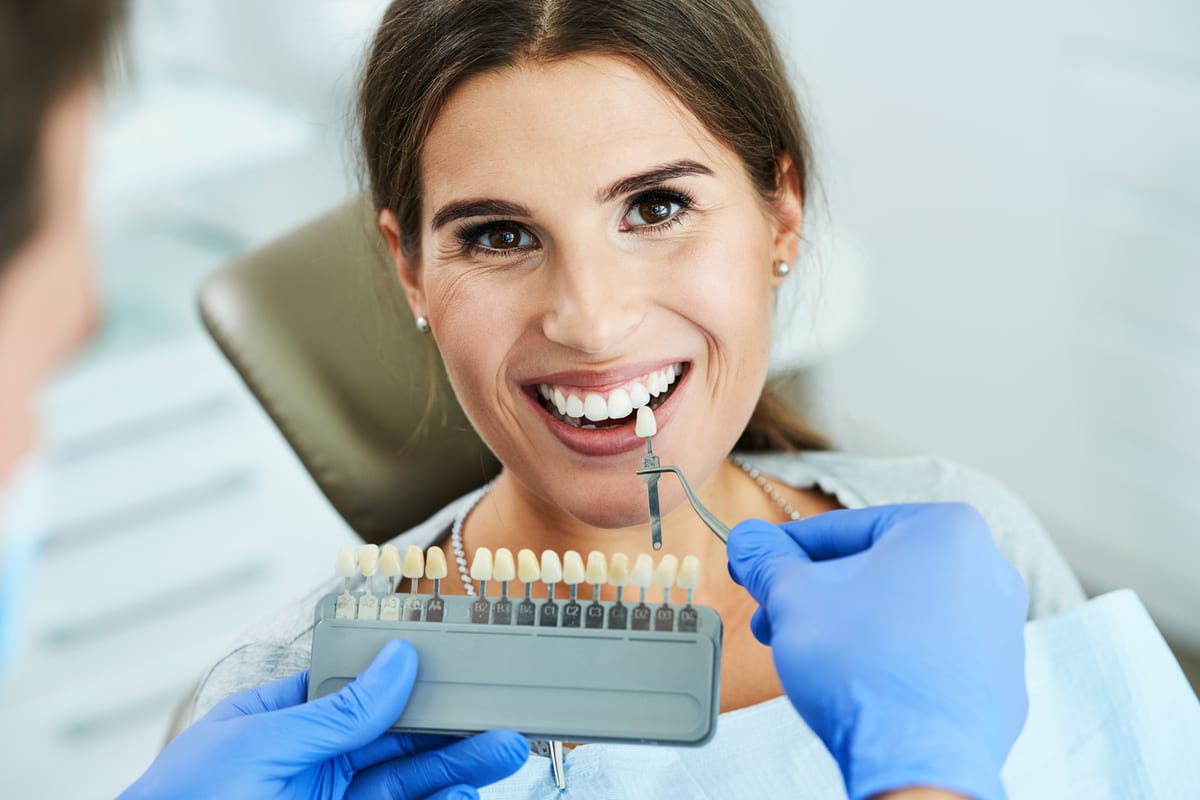
If you live near Springfield and want a better smile, you have probably wondered about veneers vs. bonding. Which option truly lasts longer in Springfield? That is one of the most common questions Dr. Richard Mullin hears at Duo Dental Group Union. Both treatments can dramatically improve your teeth. However, they differ in cost, longevity, invasiveness, and final results. Understanding those differences helps you make a confident, informed choice.
What Are Veneers and What Are Dental Bonding Treatments?
Veneers are thin porcelain or composite shells. They bond permanently to the front surface of your teeth. The process requires removing a small amount of enamel first. This makes veneers an irreversible cosmetic commitment.
Dental bonding uses tooth-colored composite resin. Your dentist applies it directly to the tooth surface. It hardens under a special curing light. Bonding rarely requires enamel removal, making it far less invasive.
Both options address similar concerns. These include chipped teeth, gaps, discoloration, and minor misalignment. The right choice depends on your specific goals, budget, and timeline.
Veneers vs. Bonding: How Long Does Each Option Last in Springfield?
Longevity is often the deciding factor for Springfield patients. Porcelain veneers typically last 10 to 20 years with proper care. They resist staining better than natural teeth or composite resin. That durability makes them a long-term investment.
Dental bonding usually lasts 3 to 10 years. Its lifespan depends heavily on placement and daily habits. Bonding on front teeth wears faster because of biting pressure. Coffee, tea, and red wine can also stain bonded teeth over time.
Here is a quick comparison of longevity and key factors:
- Porcelain veneers: Last 10–20 years, highly stain-resistant, require enamel removal
- Composite veneers: Last 5–7 years, moderate stain resistance, less enamel removal needed
- Dental bonding: Last 3–10 years, more prone to staining, minimal to no enamel removal
- Both options: Require good oral hygiene and regular checkups to maximize lifespan
If you want a solution that holds up longest, porcelain veneers win. If you need a quicker or more affordable fix, bonding is a smart starting point.
Comparing Cost and Invasiveness: Which Option Makes More Sense?
Cost is a real concern for many patients in the Springfield area. Dental bonding is significantly more affordable upfront. A single tooth can be bonded for a fraction of the cost of a veneer. This makes bonding accessible for patients on a tighter budget.
Veneers cost more per tooth initially. However, their longer lifespan often makes them cost-effective over time. You replace bonding more frequently, which adds up. Over 15 years, veneers may actually save money for the right patient.
Invasiveness is another important difference. Bonding is a conservative procedure. Your dentist shapes resin directly on the tooth with minimal preparation. Veneers require permanent enamel reduction, so you must always protect them with a veneer replacement going forward.
Consider these key factors before choosing:
- How many teeth need treatment?
- Is this a short-term fix or a long-term investment?
- How important is stain resistance to your lifestyle?
- Are you comfortable with an irreversible procedure?
- What is your timeline — do you need results in one visit?
Which Option Delivers Better Aesthetic Results?
Both treatments can create beautiful smiles. However, porcelain veneers offer a more polished, natural-looking result. Porcelain mimics the light-reflecting properties of real teeth. The finish is smooth, consistent, and highly customizable.
Bonding also looks natural right after application. A skilled dentist like Dr. Mullin can blend resin seamlessly with surrounding teeth. However, bonding can chip or discolor more easily over time. Minor touch-ups are sometimes needed to maintain the appearance.
For patients who want a dramatic smile transformation, veneers are typically the better choice. Bonding works best for small repairs or subtle improvements. If you have a chipped tooth or a small gap, bonding may be entirely sufficient.
Your overall oral health also plays a role. Patients with Periodontal Disease Treatment Gum Disease concerns should address gum health before pursuing either option. Healthy gums are the foundation of any cosmetic treatment.
Who Is the Right Candidate for Each Treatment?
Not everyone is a candidate for veneers. Patients with severe grinding habits may damage porcelain over time. Those with significant tooth decay or gum disease must resolve those issues first. Your dentist will evaluate your full oral health before recommending veneers.
Bonding is more flexible in terms of candidacy. It works well for minor cosmetic corrections. It is also a great option for younger patients whose smiles are still developing. Families who also seek Pediatric Dentistry services will find bonding especially relevant for children and teens with chips or gaps.
Dr. Mullin takes a personalized approach with every Springfield-area patient. He considers your bite, gum health, tooth structure, and aesthetic goals. A thorough consultation ensures you choose the option that fits your life — not just your budget.
Sometimes patients choose bonding first and upgrade to veneers later. This staged approach works well for those who want to test the look before committing. Dr. Mullin can guide you through both options at any stage.
Conclusion: Making the Right Smile Choice in Springfield
The question of veneers vs. bonding and which option truly lasts longer in Springfield comes down to your personal priorities. Veneers offer superior durability, stain resistance, and long-term aesthetics. Bonding offers affordability, speed, and minimal invasiveness. Neither option is universally better — the right choice depends on your unique situation.
At Duo Dental Group Union, Dr. Richard Mullin helps Springfield-area patients navigate these decisions with confidence. He combines clinical expertise with a compassionate, educational approach. You will always leave your consultation with a clear plan and honest guidance.
Your smile deserves thoughtful, expert care. Book Now to schedule your appointment with our team.
Frequently Asked Questions
How long do veneers last compared to dental bonding?
Porcelain veneers typically last 10 to 20 years with proper care. Dental bonding generally lasts 3 to 10 years. Bonding may need more frequent touch-ups or replacements depending on placement and lifestyle habits.
Is dental bonding reversible?
Yes, dental bonding is considered a reversible or minimally invasive procedure. Little to no enamel is removed during the process. Veneers, on the other hand, require permanent enamel reduction and are not reversible.
Can veneers stain like natural teeth?
Porcelain veneers are highly resistant to staining. Composite bonding, however, is more porous and can discolor over time from coffee, tea, wine, or tobacco. Good oral hygiene helps extend the appearance of both treatments.
How do I decide between veneers and bonding?
The best way to decide is to schedule a consultation with Dr. Richard Mullin at Duo Dental Group Union. He will evaluate your oral health, discuss your goals, and recommend the option that suits your teeth, lifestyle, and budget.
Can bonding be done in one dental visit?
Yes, dental bonding is typically completed in a single visit. The dentist applies, shapes, and cures the resin in one appointment. Veneers require at least two visits because they are custom-fabricated in a dental lab.
New Patients & Emergency Appointments Welcome!