
Same Day Emergency Appointments Available!

Teeth Whitening Results in Kenilworth, NJ
Union, NJ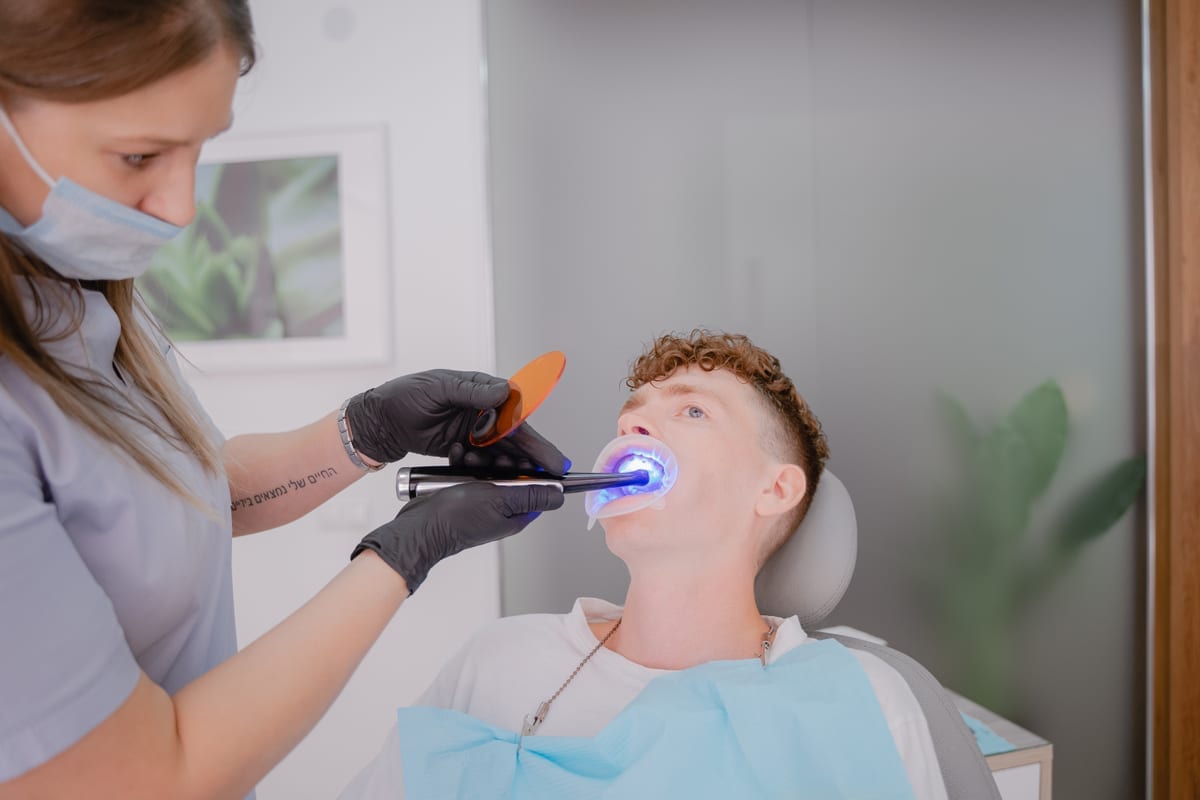
You invested time and money into brightening your smile. Now you want those results to last. But certain everyday habits quietly work against you — and most patients in Kenilworth don’t realize it until the fade has already started. Understanding what shortens your whitening results helps you make smarter choices every day. Your whitening results don’t have to fade — the habits that steal your smile in Kenilworth are largely within your control.
How Long Do Teeth Whitening Results Actually Last?
The honest answer depends on the method you used. Professional in-office whitening typically lasts between one and three years. At-home whitening kits from your dentist can last six to twelve months with proper care. Over-the-counter strips usually fade within a few months.
Your lifestyle plays a huge role in how long results hold. Two patients can get the same whitening treatment and see very different outcomes at the six-month mark. One may still have a bright, even smile. The other may have returned to a noticeably yellowed baseline.
The difference almost always comes down to daily habits. Knowing which behaviors cause the fastest fade gives you the power to protect your results longer.
The Habits That Steal Your Smile in Kenilworth
Certain foods and beverages are the most common culprits. Coffee and tea are deeply pigmented and stain enamel quickly. Red wine is another major offender — its tannins bond directly to tooth surfaces. Even white wine creates an acidic environment that makes enamel more porous and vulnerable to staining.
Smoking and tobacco use are among the worst habits for whitening longevity. Nicotine and tar penetrate enamel rapidly. Regular smokers often see their results fade within just a few weeks. No whitening treatment fully counters the staining power of tobacco.
Highly pigmented foods also contribute to early fading. These include:
- Tomato sauce and ketchup
- Soy sauce and dark vinegars
- Berries like blueberries and blackberries
- Beets and dark leafy greens like spinach
- Curry and other deeply spiced sauces
You don’t need to eliminate these foods entirely. Being aware of their staining potential helps you manage your intake and rinse promptly after eating them.
Practical Maintenance Tips to Extend Your Results
Keeping your whitening results longer is very achievable with consistent habits. The key is creating a routine that minimizes stain exposure and supports enamel health. Here are the most effective steps you can take:
- Rinse your mouth with water immediately after staining beverages
- Use a whitening toothpaste once or twice per week
- Drink coffee and tea through a straw to reduce contact with teeth
- Brush at least twice daily and floss every night
- Schedule regular professional cleanings to remove surface buildup
- Ask Dr. Mullin about touch-up whitening trays for at-home maintenance
Touch-up treatments are one of the most underused tools for whitening maintenance. A brief at-home session every few months can significantly extend your results. Dr. Richard Mullin at Duo Dental Group Union can customize a touch-up plan based on your specific whitening history.
Timing also matters. Avoid staining foods and drinks for at least 48 hours after any whitening treatment. Your enamel is more porous during this window and absorbs pigment more easily. This is sometimes called the
Frequently Asked Questions
How long does professional teeth whitening last?
Professional teeth whitening results typically last between 6 months to 2 years, depending on your lifestyle and dietary habits. Patients who avoid staining foods and beverages, and practice good oral hygiene, tend to enjoy longer-lasting results. Touch-up treatments can help maintain your bright smile over time.
Is teeth whitening safe for sensitive teeth?
Professional whitening is generally safe for sensitive teeth when performed by a dental professional who can adjust the treatment strength accordingly. We recommend discussing any sensitivity concerns during your consultation so we can recommend the best approach for your situation. Desensitizing treatments may be recommended before or after your whitening appointment.
What’s the difference between professional and over-the-counter whitening?
Professional whitening uses higher concentrations of bleaching agents and custom-fitted trays that deliver superior results in a shorter timeframe. Over-the-counter products contain weaker formulations and may not fit properly, leading to inconsistent results and potential gum irritation. Professional treatments are more effective and safer when supervised by a dental expert.
How many shades whiter will my teeth become?
Most patients see results of 4-8 shades lighter after professional whitening, though results vary based on your starting tooth color and lifestyle. Teeth with yellow tones typically respond better to whitening than those with gray tones. During your consultation, we can show you a shade guide to set realistic expectations for your results.
Can I whiten my teeth if I have dental work like crowns or fillings?
Whitening treatments only work on natural tooth enamel and won’t lighten existing crowns, fillings, or bonding materials. If you have visible dental work, we can discuss options like replacing or updating these restorations after whitening to match your newly brightened smile. It’s best to whiten your natural teeth first before having any cosmetic dental work done.
New Patients & Emergency Appointments Welcome!