
Same Day Emergency Appointments Available!

Common Reasons Root Canals Don’t Last Forever
Union, NJ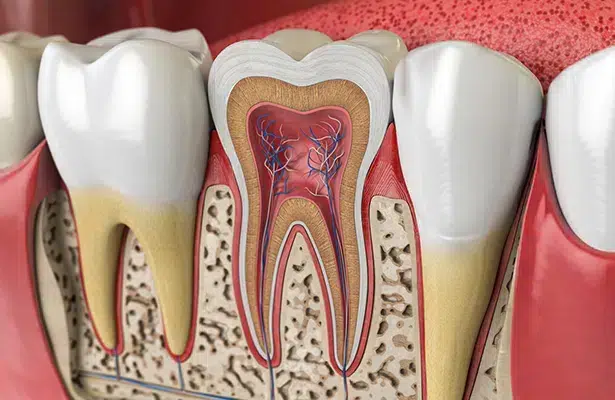
A root canal is often seen as the final fix for a badly infected or painful tooth. For many people, it works well for years—sometimes even a lifetime. But in real life, some teeth need additional care down the road. If you’ve ever wondered why discomfort can return after what seemed like a successful procedure, you’re not alone. Patients here in Union, NJ ask this question often.
Understanding why root canals don’t always last forever can help you protect your smile, spot problems early, and know when it’s time to seek professional care.
Noticing discomfort or changes after a past root canal? Schedule your visit or call us at 9088246985 with a trusted local dental team in Union, NJ
Why Root Canals Can Be Long-Lasting—but Not Permanent
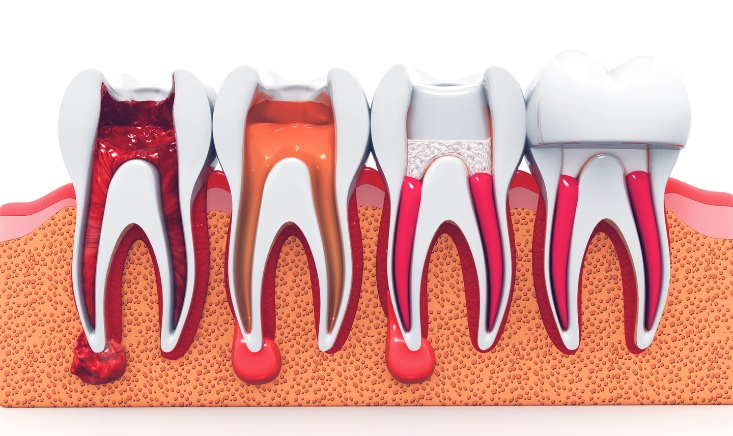
A root canal removes infected pulp from inside the tooth and seals it to prevent future infection. While this stops pain and saves the natural tooth, the tooth itself is no longer “alive.” Over time, everyday wear, oral habits, and even small changes in the mouth can affect how well that treated tooth holds up.
At Duo Dental Group Union, we see many cases where early attention could have prevented the need for retreatment. Let’s look at the most common reasons root canals may fail over time.
Common Reasons Root Canals Don’t Last Forever
1. Hidden or Missed Canals
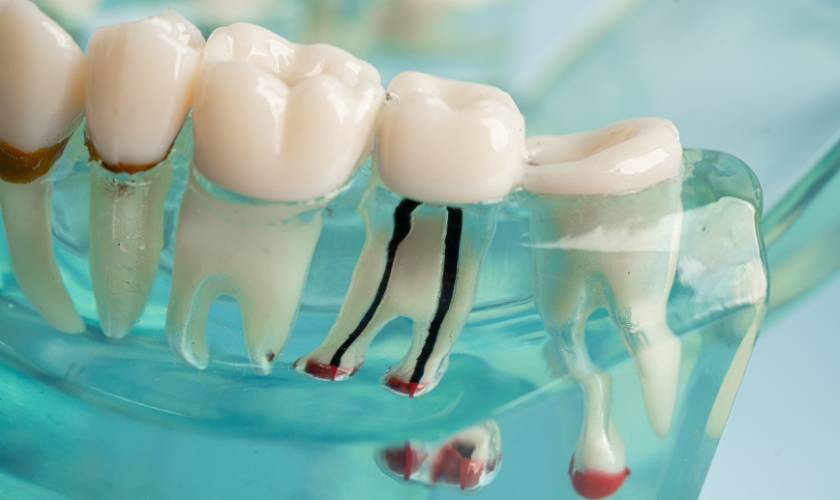
Some teeth—especially molars—have complex root structures. Tiny canals can be difficult to detect, even with advanced imaging. If bacteria remain in an untreated canal, infection can slowly return months or years later.
2. Delayed or Damaged Dental Crowns
After a root canal, a crown is often recommended to protect the weakened tooth. Delaying this step or having a crown that cracks or loosens can allow bacteria to re-enter. This is a frequent issue we see in busy Union residents who put off follow-up visits due to work or family schedules.
3. New Decay Around the Tooth
A root canal-treated tooth can still develop cavities. Poor oral hygiene, sugary diets, or missed cleanings can lead to decay around the filling or crown, opening a path for infection.
4. Cracks or Fractures in the Tooth
Teeth that have undergone root canal therapy are more brittle. Grinding, clenching, or biting down on hard foods—like ice or nuts—can cause tiny cracks that aren’t immediately visible but can compromise the seal.
5. Reinfection Over Time
Even with excellent care, bacteria can sometimes find their way back into the tooth. This may happen gradually, which is why symptoms often appear long after the original procedure.
6. Changes in Overall Oral Health
Shifting teeth, gum recession, or bone loss can affect how a treated tooth functions. These changes are more common as we age and highlight the importance of regular dental checkups.
Signs Your Root Canal May Need Attention
If you’ve had a root canal in the past, watch for these warning signs:
- Persistent or returning tooth pain
- Sensitivity to pressure or biting
- Swelling or tenderness in the gums
- A pimple-like bump near the tooth
- Darkening or discoloration of the tooth
Catching these symptoms early can often mean simpler, more comfortable treatment.
Why Local Care Matters
Living in Union, NJ means juggling busy commutes, family life, and work responsibilities. Dental issues are easy to ignore until they become painful. Having a trusted local dental team makes it easier to stay proactive.
At Duo Dental Group Union, we use modern diagnostic tools and a patient-first approach to evaluate previously treated teeth. Whether you’re experiencing discomfort or just want peace of mind, timely care can make all the difference—especially when it comes to preserving your natural smile.
Many patients who come to us for root canal treatment in union do so because they want reliable, long-term solutions close to home, without unnecessary delays or referrals.
How to Make a Root Canal Last Longer
You can significantly extend the life of a treated tooth by following a few simple habits:
- Brush twice daily and floss consistently
- Attend regular dental exams and cleanings
- Get recommended crowns placed promptly
- Avoid chewing hard foods on treated teeth
- Address teeth grinding with a night guard if needed
Preventive care is always easier—and more affordable—than retreatment.
When Retreatment Is the Best Option
If a root canal fails, it doesn’t always mean losing the tooth. In many cases, retreatment can remove lingering infection and reseal the tooth. With proper evaluation, patients in Union, NJ can often avoid extraction and maintain a healthy, functional smile.
Seeking care early improves outcomes and reduces discomfort. This is especially true when treatment is handled by a team familiar with your dental history and local patient needs, like Duo Dental Group Union.
Frequently Asked Questions
Is it normal for a root canal to fail years later?
Yes. While many last a long time, factors like new decay, cracks, or reinfection can cause issues even years later.
Will retreatment hurt?
Modern techniques make retreatment similar in comfort to the original procedure. Most patients report minimal discomfort.
How do I know if my old root canal is failing?
Pain, swelling, or sensitivity are common signs. Regular dental visits can also detect problems before symptoms appear.
Can I avoid another root canal?
In some cases, yes—especially if the issue is caught early. Your dentist will recommend the most conservative option.
Where can I get expert care locally?
Patients seeking dependable root canal treatment in union often choose Duo Dental Group Union for comprehensive, patient-focused care close to home.
Take the Next Step Toward Relief
If you’re experiencing discomfort or have concerns about a past root canal, don’t wait for the pain to worsen. Early evaluation can save your tooth and your time.

New Patients & Emergency Appointments Welcome!