
Same Day Emergency Appointments Available!

Can Sealants Help Reduce Tooth Sensitivity?
Union, NJ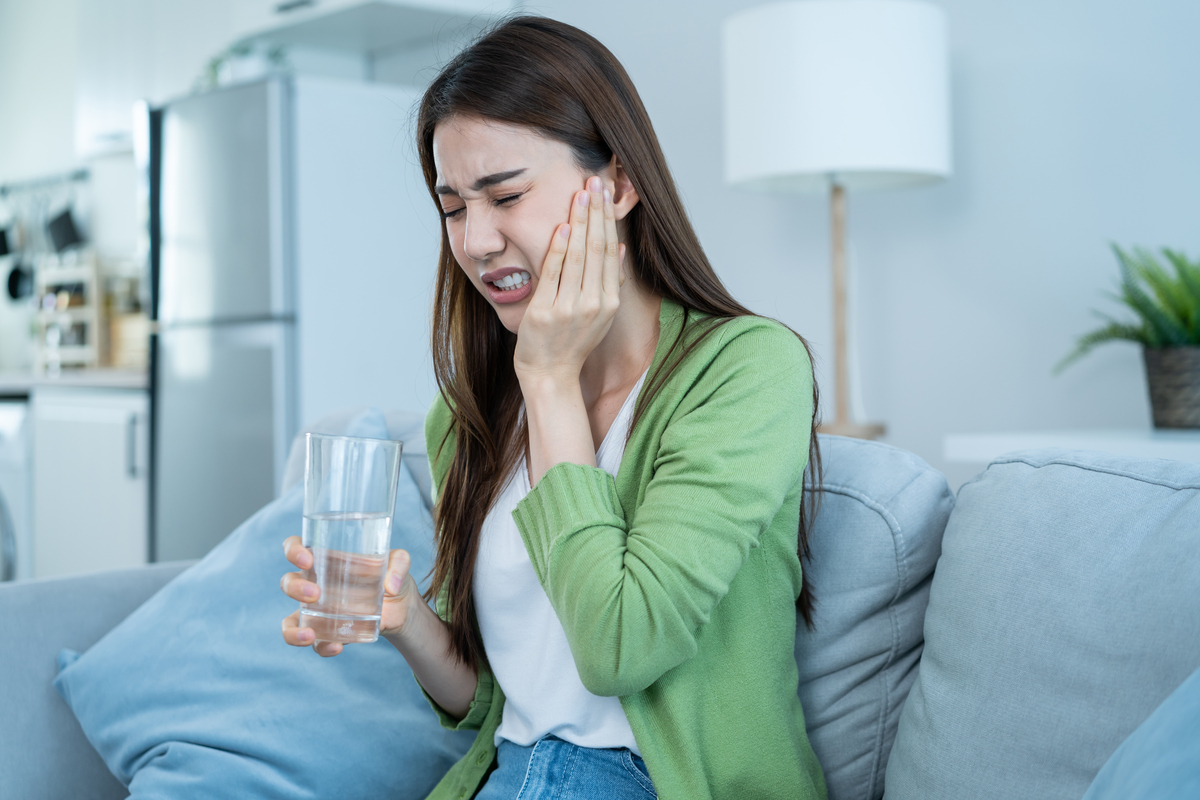
Tooth sensitivity can turn everyday moments—like enjoying a hot cup of coffee on a chilly Union morning or biting into an ice-cold Italian ice on St. George’s Avenue—into an uncomfortable experience. If you find yourself wincing at sharp twinges when you eat or drink, you’re not alone. Many adults and children in Union, NJ deal with tooth sensitivity caused by worn enamel, deep grooves in teeth, or early signs of decay.
One question dentists often hear is whether dental sealants, commonly associated with kids, can actually help reduce sensitivity. The short answer: in the right situations, they can. Let’s break down how sealants work, when they help with sensitivity, and whether they might be a good option for you or your family.
Don’t let tooth sensitivity disrupt your day. Schedule your visit today and discover how sealants can add an extra layer of relief.
What Causes Tooth Sensitivity in the First Place?
Tooth sensitivity usually happens when the protective enamel layer becomes thin or compromised. This exposes the underlying dentin, which contains tiny tubules leading to the tooth’s nerve. Common causes include:
- Deep grooves or pits in molars
- Early enamel wear from acidic foods or drinks
- Teeth grinding (bruxism)
- Mild gum recession
- Small areas of enamel erosion that aren’t yet cavities
In busy communities like Union, NJ—where people juggle work, school, commuting, and family life—oral care can sometimes take a back seat, allowing these issues to build up over time.
How Dental Sealants Work
Dental sealants are thin, protective coatings applied to the chewing surfaces of teeth, most often the back molars. These surfaces naturally have grooves where food particles and bacteria can settle. A sealant smooths and seals those areas, creating a barrier that helps protect the enamel.
While sealants are widely used in children to prevent cavities, they can also be helpful for adults who have deep grooves or early enamel wear but no major decay.
Can Sealants Actually Reduce Tooth Sensitivity?
Yes—in specific cases. Sealants can help reduce sensitivity when:
- Sensitivity is caused by exposed grooves or pits on chewing surfaces
- There is early enamel wear but no active cavity
- Cold or sweet sensitivity comes from the biting surface, not the root
By covering exposed areas, sealants limit temperature changes and stimuli from reaching the nerve. Think of them as a protective shield that blocks triggers before they cause discomfort.
However, sealants are not a one-size-fits-all solution. Sensitivity caused by gum recession, cracked teeth, or advanced decay may require different treatments.
Benefits of Sealants Beyond Sensitivity Relief
For Union families looking for preventive dental care, sealants offer multiple advantages:
- Non-invasive: No drilling or numbing required
- Quick application: Often completed in a single visit
- Preventive protection: Reduces the risk of future cavities
- Cost-effective: Helps avoid more complex treatments later
They’re especially helpful for children and teens, but adults with healthy teeth and deep grooves can benefit too.
Who Is a Good Candidate?
You may be a good candidate for sealants if you:
- Experience mild sensitivity when chewing
- Have deep grooves in your molars
- Want a preventive approach to oral health
- Have no existing decay in the tooth being sealed
A dental exam is essential to determine whether sealants are appropriate or if another treatment would be more effective.
Local Insight: Why Preventive Care Matters in Union, NJ
Union is home to a diverse, active community—from families near Kawameeh Park to professionals commuting via Route 22 or the Garden State Parkway. With busy schedules, preventive dental care often gets postponed until discomfort becomes hard to ignore.
Sealants fit well into a preventive mindset. They’re quick, effective, and can be part of a long-term plan to keep teeth comfortable and healthy—especially for children growing up in the area and adults looking to avoid future dental emergencies.
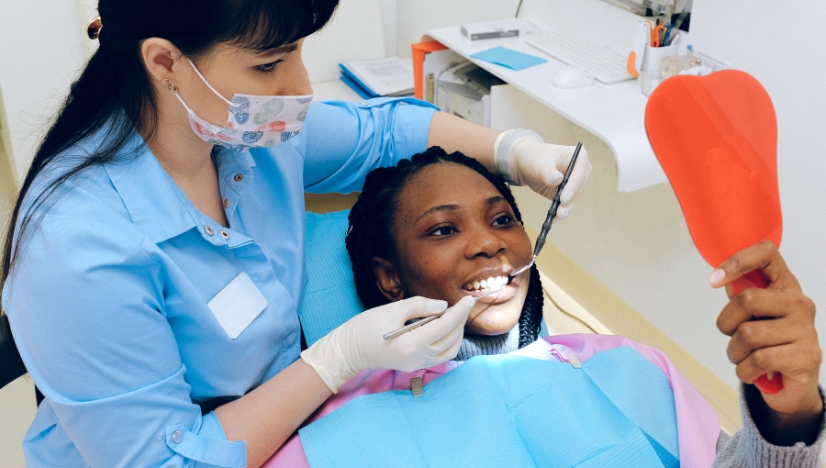
What to Expect During the Procedure
Getting sealants is simple and comfortable:
- Teeth are cleaned and dried
- A gentle solution prepares the surface
- The sealant is applied and hardened with a special light
- Your bite is checked for comfort
You can eat and drink normally right after the appointment.
When Sealants Aren’t the Right Solution
If sensitivity is caused by gum recession, cracked teeth, or advanced enamel loss, other treatments—such as bonding, fluoride therapy, or desensitizing procedures—may be recommended instead. That’s why a professional evaluation is key.
Ready to Find Relief from Tooth Sensitivity?
If tooth sensitivity is affecting your daily comfort, it’s worth exploring your options.
At Duo Dental Group, our team takes a personalized approach—listening to your concerns, examining the cause, and recommending solutions that fit your needs and lifestyle. Whether you’re exploring dental sealants in Union to manage tooth sensitivity or simply looking to protect your smile for the future, we’re here to help.
Frequently Asked Questions
Are sealants only for kids?
No. While commonly used for children, adults with suitable teeth can also benefit.
How long do dental sealants last?
With proper care, sealants can last several years and are checked during regular dental visits.
Do sealants replace sensitivity toothpaste?
Not necessarily. They can complement other treatments, depending on the cause of sensitivity.
Is the procedure painful?
Not at all. Most patients don’t feel anything beyond normal dental cleaning sensations.

New Patients & Emergency Appointments Welcome!