
Same Day Emergency Appointments Available!

Why Your Dentures Don’t Fit Like They Used To
Union, NJ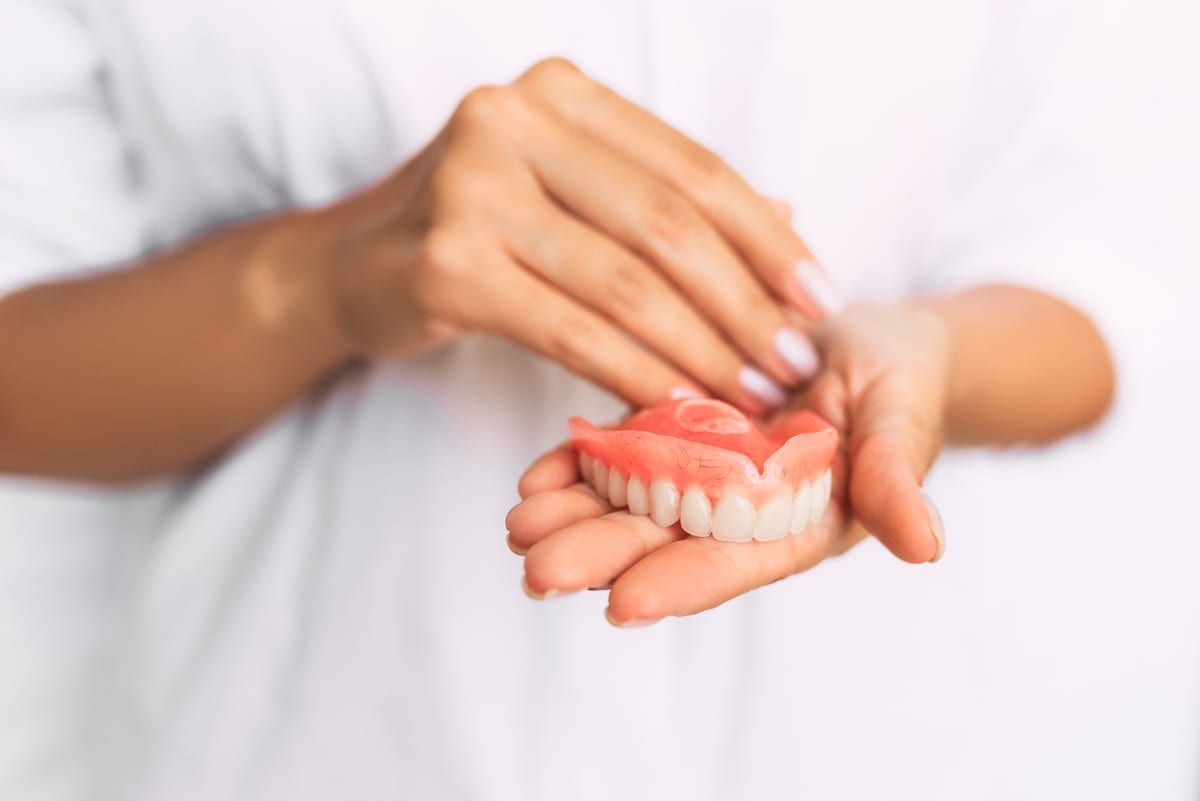
If you wear dentures and have noticed they feel loose or uncomfortable, you are not imagining things. Many patients in Union, NJ ask Dr. Richard Mullin the same question: why your dentures don’t fit like they used to in Union. The answer comes down to natural changes in your jawbone over time. Understanding what is happening — and what you can do about it — makes a real difference in your comfort and confidence.
Why Dentures Stop Fitting Over Time in Union, NJ
When teeth are lost, the jawbone underneath begins to shrink. This process is called bone resorption. Your jawbone stays healthy and dense because tooth roots stimulate it every time you bite and chew. Without those roots, the bone gradually loses volume.
Bone resorption happens slowly, but it is constant. Most people lose noticeable bone within the first year after tooth loss. The process continues for the rest of a person’s life.
As the bone changes shape, your denture no longer matches the ridge it was designed to fit. The result is a loose, slipping, or irritating appliance. This is one of the most common reasons why your dentures don’t fit like they used to in Union and elsewhere.
Signs Your Dentures No Longer Fit Properly
It can be easy to overlook gradual changes. Many patients adapt their habits without realizing the root cause. Knowing the warning signs helps you seek care before small problems become bigger ones.
Watch for these common signs of ill-fitting dentures:
- Dentures slip or shift while eating or speaking
- Sore spots or red patches along your gums
- Clicking or popping sounds when you chew
- Difficulty biting into firm foods
- Changes in your facial shape or sunken appearance around the mouth
- Increased use of denture adhesive to keep them in place
If any of these sound familiar, it is time to visit Dr. Mullin at Duo Dental Group Union. Early attention prevents unnecessary discomfort and protects your oral health.
What Are Your Options When Dentures Don’t Fit?
The good news is that there are several effective solutions. The right choice depends on how much your jaw has changed and the overall condition of your denture.
Denture Relining
A reline adds new material to the inner surface of your existing denture. This reshapes the fitting surface to match your current gum ridge. It is a common and affordable option when the denture base is still in good structural condition.
There are two types of relines. A chairside reline is completed in a single visit. A laboratory reline takes a few days but produces a more precise, durable result.
Denture Rebasing
Rebasing replaces the entire acrylic base of the denture while keeping the existing teeth. This is a stronger solution than relining. Dentists often recommend rebasing when the denture base has weakened or cracked but the teeth themselves are still in good shape.
Full Denture Replacement
Dentures typically last five to seven years before they need replacing. If your denture is old, heavily worn, or structurally compromised, replacement is often the best choice. A new denture is crafted to match your current jaw anatomy precisely.
Here is a simple comparison to help you understand the options:
- Reline — Best for minor fit changes; quick and cost-effective
- Rebase — Best when the base is worn but teeth are intact
- Replacement — Best for old or damaged dentures needing a fresh start
- Implant-supported dentures — Best for patients wanting a permanent, stable solution
How Bone Loss Affects More Than Just Denture Fit
Bone resorption does not only cause problems with denture fit. It affects your overall oral health and even your appearance. As the jawbone shrinks, the lower face can look sunken or aged. Eating becomes harder, which affects nutrition and quality of life.
Bone loss also impacts the health of any remaining natural teeth and your gum tissue. In some cases, ongoing bone loss is linked to Periodontal Disease Treatment Gum Disease Union concerns that deserve separate evaluation. Healthy gum tissue is the foundation for well-fitting dentures and good oral health overall.
For patients with children or grandchildren, it is worth noting that early dental habits matter. Encouraging kids to see a dentist early supports lifelong oral health. Dr. Mullin’s team also provides Pediatric Dentistry Union services to help younger patients build a strong foundation from the start.
Implant-Supported Dentures: A Long-Term Solution
Traditional dentures sit on the gum surface and rely on suction or adhesive. They do nothing to slow bone resorption. Implant-supported dentures are different. They attach to dental implants placed directly in the jawbone.
The implants act like tooth roots. They stimulate the bone with every bite, helping to preserve jaw volume over time. Patients who choose implant-supported dentures often report better stability, improved chewing ability, and greater confidence.
This option is not right for everyone, but Dr. Mullin can evaluate whether you are a good candidate. Many Union patients who were frustrated with slipping dentures have found this to be a life-changing solution.
What to Expect at Your Denture Adjustment Visit
Visiting Duo Dental Group Union for a denture evaluation is straightforward. Dr. Mullin will examine the fit and condition of your current denture. He will also assess changes in your gum ridge and jawbone.
From there, he will recommend the most appropriate solution for your specific situation. Whether that is a simple reline or a full replacement, you will leave with a clear understanding of your options and next steps. No guesswork, no pressure.
Frequently Asked Questions
How often should dentures be checked for fit?
Dentists recommend a denture evaluation at least once a year. Even if your dentures feel comfortable, subtle changes in your jawbone can affect fit over time. Annual checkups help catch problems early before they cause pain or damage to your gum tissue.
Can I fix loose dentures at home with adhesive?
Denture adhesive can provide temporary relief, but it is not a long-term fix. Relying heavily on adhesive often signals that your denture needs professional attention. Using adhesive to compensate for poor fit can also put uneven pressure on your gums and jawbone.
How long does a denture reline take?
A chairside reline is typically completed in a single appointment lasting about one to two hours. A laboratory reline takes a few days because the denture is sent out for more precise adjustments. Dr. Mullin will recommend the type that best suits your needs.
Is bone resorption preventable?
Bone resorption after tooth loss cannot be stopped completely, but it can be slowed. Dental implants are the most effective way to preserve jawbone density after losing teeth. The sooner implants are placed after tooth loss, the better the long-term results tend to be.
When is it time to replace dentures entirely?
Most dentures need replacing every five to seven years. Signs it is time include persistent poor fit even after relining, visible cracks or worn teeth, and changes in facial appearance. Dr. Mullin can assess your current denture and let you know whether repair or replacement makes more sense for you.
If you have been wondering why your dentures don’t fit like they used to in Union, you do not have to keep guessing. Dr. Richard Mullin and the team at Duo Dental Group Union are here to help you find a comfortable, lasting solution. Book Now to schedule your appointment with our team.

New Patients & Emergency Appointments Welcome!