
Same Day Emergency Appointments Available!

Invisalign Timeline in Union, NJ
Union, NJ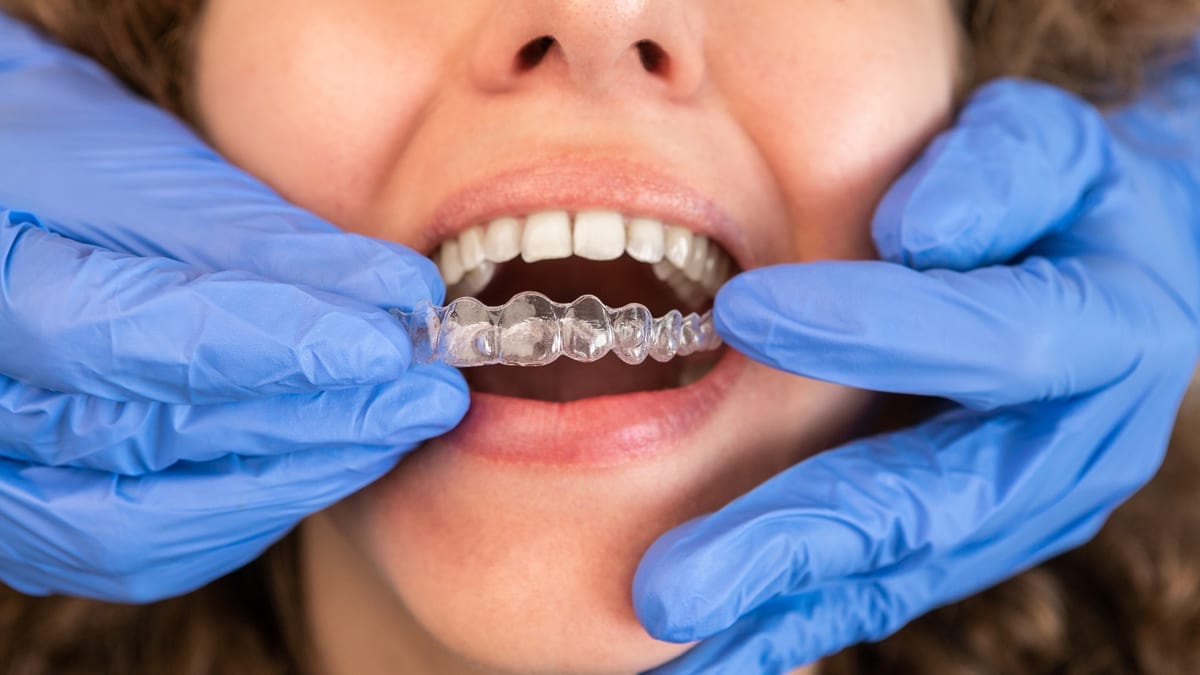
So you’re considering Invisalign and want to know the honest truth about timing. That’s a smart question to ask before starting treatment. At Duo Dental Group Union, Dr. Richard Mullin helps patients in Union, NJ understand exactly what to expect. Knowing how long Invisalign really takes — and why your compliance matters most — sets you up for the best possible outcome.
There’s no single answer that fits every smile. Treatment length depends on several personal factors. But understanding the general timeline gives you a realistic starting point. Let’s break it all down clearly.
What Is the Average Invisalign Timeline in Union, NJ?
For most adults, Invisalign treatment takes between 12 and 18 months. Mild alignment issues can sometimes resolve in as few as 6 months. More complex cases involving significant crowding or bite correction may take up to 24 months. These are averages — your specific case will vary.
Teens tend to follow a similar range, though their treatment plans are designed with some flexibility built in. Dr. Mullin evaluates each patient’s bite, spacing, and alignment goals individually. That evaluation shapes a customized timeline before treatment even begins. Knowing your estimated duration from day one helps you plan ahead with confidence.
Invisalign works by using a series of clear, removable aligners. Each aligner set gradually shifts your teeth into the desired position. You typically switch to a new set every one to two weeks. The total number of aligner sets directly determines how long your treatment will last.
What Shortens or Extends Your Invisalign Treatment?
Several factors can either speed up or slow down your progress. Some are within your control, and some are not. Understanding both helps you stay realistic and motivated throughout the process.
Factors that can extend your treatment timeline include:
- Skipping aligner wear or forgetting to put them back in
- Losing or damaging an aligner set
- Missing scheduled checkup appointments
- More complex tooth movements required by your case
- Underlying gum health issues, such as Periodontal Disease Treatment Gum Disease, that need attention first
Factors that can shorten or keep your treatment on track include:
- Wearing aligners consistently for 20 to 22 hours per day
- Switching aligner sets on schedule as directed
- Attending every follow-up visit with Dr. Mullin
- Maintaining excellent oral hygiene throughout treatment
- Addressing any dental concerns promptly before they escalate
Gum health plays a bigger role than many patients expect. Inflamed or unhealthy gums can slow tooth movement and complicate results. Treating any gum issues before or during Invisalign keeps your timeline intact. Dr. Mullin screens for these concerns during your consultation.
Why Compliance Is the Biggest Factor in Your Results
Here’s the most important truth about Invisalign timing: your compliance is the single biggest variable you control. Aligners only work when they’re actually in your mouth. Wearing them less than recommended allows your teeth to shift back between sets. That creates setbacks that add weeks or even months to your total treatment time.
Most adults appreciate the flexibility that removable aligners offer. You can take them out to eat, drink, and brush your teeth. But that flexibility comes with personal responsibility. Every hour your aligners sit on the counter is an hour they’re not moving your teeth.
Dr. Mullin recommends treating aligner wear as a non-negotiable daily habit. Set reminders on your phone if that helps. Remove them only for meals and oral hygiene. A consistent routine makes compliance much easier to maintain over time.
Some patients also benefit from aligner chewies — small soft cushions you bite down on to seat aligners properly. This ensures full contact between the aligner and your teeth. Better contact means more effective tooth movement. Small habits like this add up to real time savings.
What Happens After Invisalign Treatment Ends?
Finishing your last aligner tray is a milestone worth celebrating. But treatment doesn’t technically end there. Retention is the phase that protects everything you just worked for. Without proper retention, teeth naturally drift back toward their original positions.
Dr. Mullin will fit you with a retainer at the end of your active treatment. Most patients wear retainers full-time initially, then transition to nighttime wear only. Skipping your retainer is one of the most common reasons patients see their results fade. Consistency during retention is just as important as compliance during treatment.
Long-term retention typically continues for years — sometimes indefinitely for nighttime wear. This might sound like a lot, but it’s a simple habit once it becomes routine. Protecting your investment in your smile is absolutely worth the small effort. Your teeth will thank you for it years down the road.
Invisalign can also be part of a broader smile transformation. Many patients in Union, NJ combine alignment treatment with teeth whitening or veneers after completing Invisalign. Straightening your teeth first creates the ideal foundation for any cosmetic work that follows.
Is Invisalign a Good Fit for Your Family in Union, NJ?
Invisalign works well for a wide range of patients, from teens to adults. If you have a younger child who needs orthodontic evaluation, our team also provides Pediatric Dentistry services to monitor growth and development early. Catching alignment issues young can sometimes reduce the complexity of future treatment. Early guidance makes a real difference for growing smiles.
For adults and teens ready to start, the first step is a thorough consultation with Dr. Mullin. He’ll assess your bite, review your goals, and give you a realistic treatment estimate. There are no surprises when you begin treatment with a clear plan in place. That clarity makes the entire journey easier to commit to.
Duo Dental Group Union serves patients throughout the Union, NJ community with patient-centered, educational care. Dr. Mullin’s approach is to explain your options honestly and support you every step of the way. Whether your case is simple or complex, you’ll always know where you stand. That transparency is a core part of how we practice dentistry here.
If you’re ready to learn whether Invisalign is right for you and get a real sense of your personal timeline, we’re here to help. Book Now to schedule your appointment with our team.
Frequently Asked Questions
How long does Invisalign take for mild crowding?
Mild crowding cases often resolve within 6 to 12 months with Invisalign. The exact timeline depends on the degree of crowding and how consistently you wear your aligners. Dr. Mullin will give you a personalized estimate after your initial consultation at Duo Dental Group Union.
What happens if I don’t wear my aligners for 22 hours a day?
Wearing aligners less than the recommended 20 to 22 hours daily slows tooth movement significantly. Your teeth may shift back between aligner changes, causing your treatment to take longer than originally planned. Staying consistent is the most effective way to finish on time.
Can gum disease delay my Invisalign treatment?
Yes, active gum disease needs to be treated before or during Invisalign to ensure safe and effective tooth movement. Inflamed gum tissue makes it harder for teeth to shift properly. Dr. Mullin will evaluate your gum health as part of your treatment planning process.
Do I need a retainer after finishing Invisalign?
Yes, wearing a retainer after Invisalign is essential to maintain your results. Without retention, teeth naturally drift back toward their original positions over time. Most patients wear retainers full-time at first, then transition to nighttime wear for long-term maintenance.
Is Invisalign faster than traditional braces?
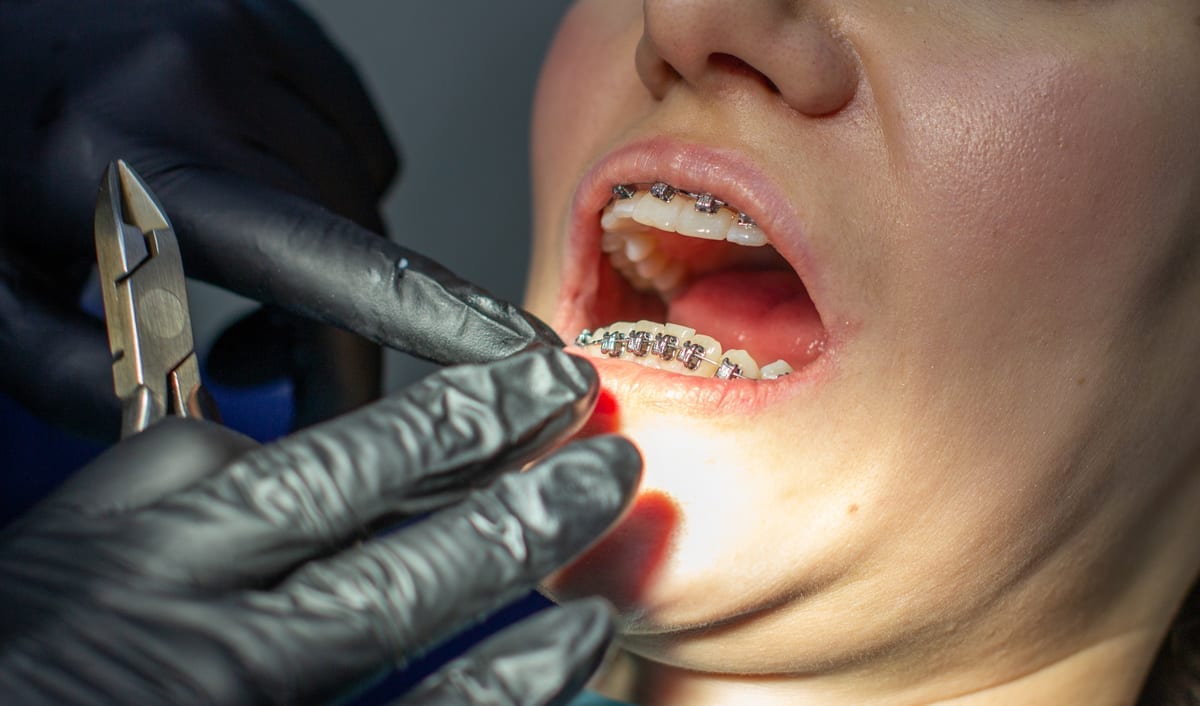
In many cases, Invisalign treatment is comparable to or slightly faster than traditional braces for mild to moderate alignment issues. However, speed depends heavily on patient compliance. Wearing aligners consistently and attending all appointments gives you the best chance of finishing on or ahead of schedule.

New Patients & Emergency Appointments Welcome!