
Same Day Emergency Appointments Available!

Dental Implant Procedure in Union, NJ
Union, NJ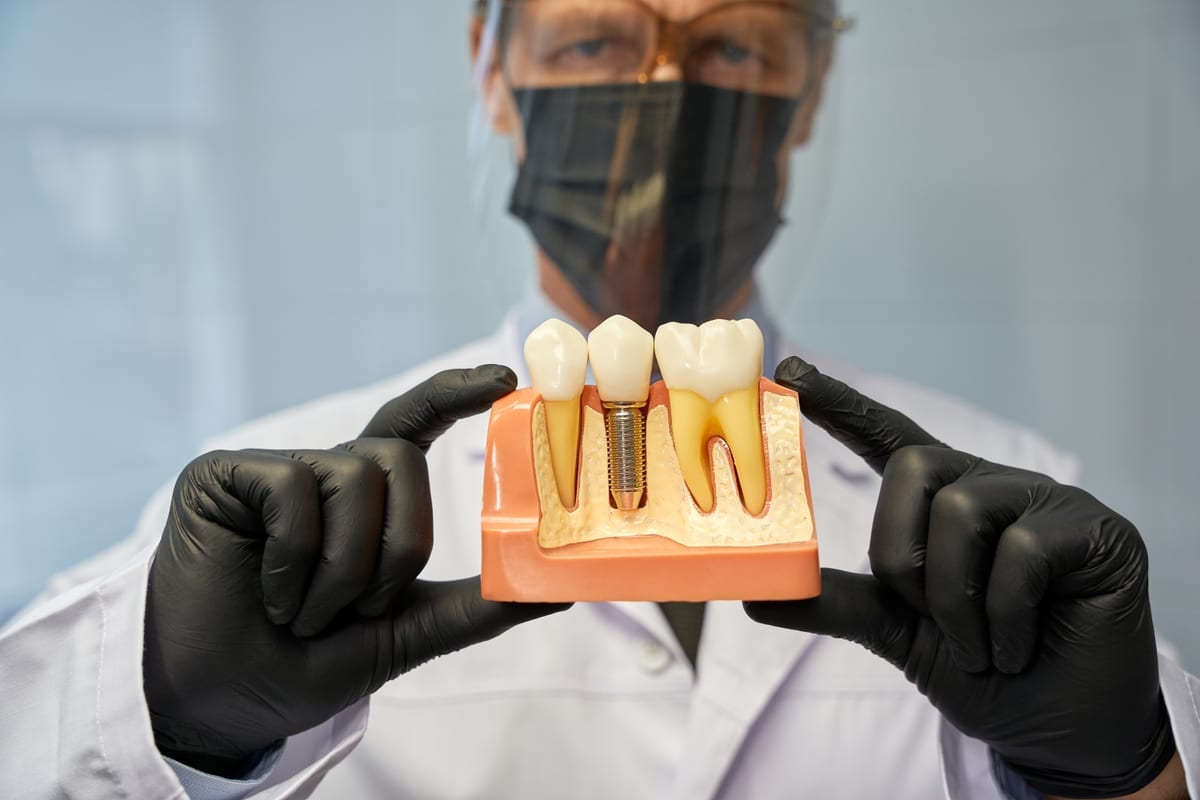
Understanding exactly what happens during a dental implant procedure can make all the difference. Many patients in Union, NJ feel anxious simply because they don’t know what to expect. Inside your dental implant procedure, every step explained here will walk you through the full journey — from your very first consultation to complete healing. Dr. Richard Mullin and the team at Duo Dental Group Union want you to feel informed, calm, and confident before you ever sit in the chair.
Step One: Your Implant Consultation in Union, NJ
Every dental implant journey begins with a thorough consultation. During this visit, Dr. Mullin will review your medical and dental history in detail. He will also take digital X-rays and possibly a 3D cone beam scan of your jaw.
These images help determine whether you have enough bone density to support an implant. If bone loss is present, a bone graft may be recommended first. You will also discuss your overall oral health, including any concerns like Periodontal Disease Treatment Gum Disease, which must be addressed before implant placement.
By the end of this appointment, you will have a clear, personalized treatment plan. You will know the timeline, what each phase involves, and what results to expect.
The Implant Placement Step: What Happens in the Chair
Once you are cleared for surgery, the implant placement appointment is scheduled. This procedure is typically performed under local anesthesia, so you stay comfortable throughout. Sedation options are also available if you experience dental anxiety.
Dr. Mullin makes a small incision in the gum tissue to expose the jawbone. A tiny, precisely sized hole is then drilled into the bone. The titanium implant post — which acts as your artificial tooth root — is carefully inserted into this space.
The gum tissue is then stitched closed over or around the implant. Most patients are surprised by how manageable the discomfort is. Over-the-counter pain relievers are usually enough to stay comfortable in the days that follow.
Osseointegration: The Healing Phase That Makes Implants Work
After placement, your implant enters a critical healing phase called osseointegration. This is the process where the titanium post fuses directly with your jawbone. It typically takes three to six months to complete.
During this time, the implant becomes as stable as a natural tooth root. You will have follow-up visits with Dr. Mullin to monitor your progress. Keeping your surrounding teeth and gums clean is essential during this phase.
Here is what helps osseointegration succeed:
- Avoiding hard, crunchy, or sticky foods near the implant site
- Not smoking or using tobacco products during healing
- Brushing and flossing gently but consistently
- Attending all scheduled follow-up appointments
- Reporting any unusual pain, swelling, or movement immediately
Patients who follow these guidelines typically see excellent results. The implant integrates smoothly, and the foundation for your new tooth becomes rock solid.
Placing the Abutment and Your Final Crown
Once osseointegration is complete, the next step begins. Dr. Mullin places a small connector piece called an abutment onto the top of the implant post. This piece connects the implant to your visible replacement tooth.
Impressions or digital scans are taken of your mouth at this stage. These measurements are sent to a dental lab to create your custom crown. The crown is designed to match the shape, size, and color of your surrounding natural teeth.
When the crown is ready, it is securely attached to the abutment. Dr. Mullin will check your bite and make minor adjustments as needed. The final result looks, feels, and functions just like a natural tooth.
Benefits of Dental Implants Compared to Other Options
Dental implants offer advantages that other tooth replacement options simply cannot match. They are the only solution that replaces both the root and the crown of a missing tooth. This makes them uniquely effective for long-term oral health.
Here is a quick comparison of key benefits:
- Bone preservation: Implants stimulate the jawbone and prevent bone loss
- Stability: They do not slip or move like removable dentures
- Durability: With proper care, implants can last decades
- Natural appearance: Custom crowns blend seamlessly with surrounding teeth
- Oral health protection: Adjacent teeth do not need to be altered
Implants also support your facial structure by maintaining bone volume in the jaw. This prevents the sunken appearance that can occur after tooth loss. For many patients in Union, NJ, dental implants are the most life-changing treatment they have ever received.
Who Is a Good Candidate for Dental Implants?
Most healthy adults with missing teeth are strong candidates for implants. Good bone density and healthy gum tissue are the two most important factors. Conditions like diabetes or autoimmune issues do not automatically disqualify someone, but they do require careful evaluation.
Younger patients are welcome at Duo Dental Group Union for other dental needs. We also offer Pediatric Dentistry services for our youngest patients. However, implants are only placed once a patient’s jaw has finished growing — typically in the late teens or early adulthood.
The best way to know if implants are right for you is a direct conversation with Dr. Mullin. He will review your unique situation and give you an honest recommendation. No pressure — just clear, expert guidance.
Ready to Take the Next Step in Union, NJ?
Understanding the implant process from start to finish makes it far less intimidating. Dr. Richard Mullin and the entire Duo Dental Group Union team are here to guide you at every stage. We believe informed patients make empowered decisions about their smile. Book Now to schedule your appointment with our team.
Frequently Asked Questions
How long does the entire dental implant process take?
The full process typically takes between four and nine months, depending on whether bone grafting is needed. Most of this time is spent in the healing and osseointegration phase rather than in the dental chair. Dr. Mullin will give you a personalized timeline during your consultation at Duo Dental Group Union.
Is dental implant surgery painful?
Most patients report that the procedure itself is far more comfortable than they expected. Local anesthesia is used throughout the placement appointment, so you should feel little to no pain during the surgery. Mild soreness and swelling afterward are normal and usually resolve within a few days.
How do I care for my implant after it is placed?
Care for your implant just like you would a natural tooth — brush twice daily, floss regularly, and attend routine dental checkups. Avoid hard foods at the implant site during healing. Dr. Mullin will give you specific aftercare instructions tailored to your situation.
What happens if I do not have enough jawbone for an implant?
If your jawbone lacks sufficient density or volume, a bone graft procedure can rebuild the area before implant placement. This adds time to the overall process but ensures a stable, long-lasting result. Dr. Mullin will identify this need during your initial consultation scans.
Can implants fail, and what are the warning signs?
Implant failure is rare, but it can occur if osseointegration does not complete successfully. Warning signs include persistent pain, implant movement, swelling that does not resolve, and difficulty chewing. If you notice any of these symptoms, contact Duo Dental Group Union promptly so Dr. Mullin can evaluate your implant right away.


New Patients & Emergency Appointments Welcome!