
Same Day Emergency Appointments Available!

What Happens If You Don’t Replace a Missing Tooth?
Union, NJ
Have you ever wondered what could happen if you leave a missing tooth unaddressed? While it might seem like a minor issue, ignoring a missing tooth can have serious consequences for your oral health, aesthetics, and overall well-being. A gap in your smile is not just an inconvenience; it can lead to long-term problems that affect not only your mouth but also your confidence and quality of life.
Whether the tooth is lost due to decay, injury, or other factors, it’s essential to understand what can happen when you delay replacing it. Let’s dive into the effects of not replacing a missing tooth and why it’s important to take action sooner rather than later.
Impact on Oral Health
Shifting of Surrounding Teeth
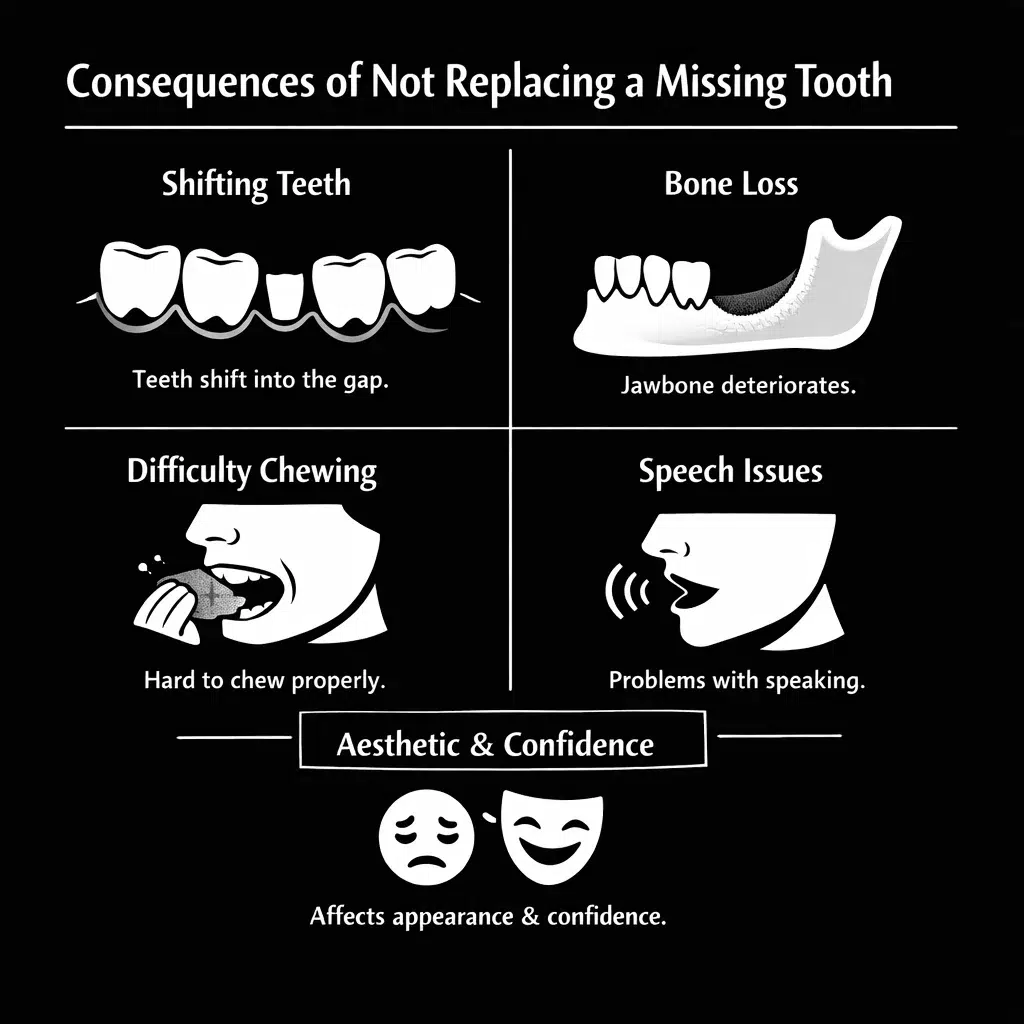
When a tooth is lost and not replaced, the surrounding teeth begin to shift into the space. Your teeth are naturally positioned to work in harmony with each other, and when one is missing, the balance is disrupted. The adjacent teeth, with no tooth to hold them in place, can gradually move toward the gap.
This shifting not only causes misalignment but can also lead to an uneven bite, making it harder to chew food properly. Over time, this misalignment can worsen, leading to further dental issues, such as the need for braces or other orthodontic treatments to correct the problem.
Additionally, when teeth shift, they become harder to clean effectively, which increases the risk of plaque buildup and tooth decay. Misalignment can also cause abnormal wear on the remaining teeth, leading to fractures or damage over time. Thus, leaving a space unaddressed leads to a chain reaction that compromises the overall health of your smile.
Bone Loss
The jawbone requires constant stimulation from the roots of your teeth to stay healthy and strong. When a tooth is lost and not replaced, the bone in that area begins to deteriorate. The body starts to reabsorb the bone tissue because it is no longer being stimulated by the root of the missing tooth. This process is known as bone resorption, and it can cause the jawbone to shrink, altering the shape of your face and weakening the structure needed to support other teeth.
Over time, this bone loss can make it difficult to place an implant or other restorative options, as there may not be enough bone to securely anchor the new tooth. In some cases, bone grafting may be needed to restore the lost bone mass before proceeding with a dental implant. By replacing the missing tooth early, you can help preserve the bone structure and prevent further damage to your jaw.
Difficulty Chewing and Speaking
A missing tooth can also impact your ability to chew food properly. Depending on where the tooth is located, the gap can make it difficult to bite into certain foods, especially those that require a lot of force to chew, such as raw vegetables or tough meats.
This can lead to an imbalance in how you chew, putting added pressure on the remaining teeth. Over time, this uneven pressure can result in wear, damage, or even further tooth loss.
Additionally, a missing tooth can affect your speech. Certain sounds, like “s” or “th,” may become difficult to pronounce clearly, leading to a noticeable change in how you speak.
This can impact your confidence in social and professional situations, as you may feel self-conscious about your speech. Replacing the missing tooth restores not just your ability to chew and speak comfortably, but also the normal function of your mouth.
In summary, leaving a missing tooth untreated can lead to shifting teeth, bone loss, and difficulty with chewing and speaking. Addressing the issue early by replacing the tooth can prevent these complications and preserve your oral health.
Aesthetic and Confidence Concerns
Appearance
Your smile is one of the first things people notice about you, and a missing tooth can significantly affect how you feel about your appearance. Whether the missing tooth is in the front or back, it can leave a noticeable gap that draws attention.
This can make you self-conscious about smiling, laughing, or even talking in public. In many cases, people with missing teeth may try to hide their smiles, which can impact their social interactions.
Self-Confidence
Missing teeth can have a profound psychological effect. A healthy smile plays a huge role in how we perceive ourselves and how others perceive us. If you’re constantly worried about the gap in your smile, it can affect your confidence in social and professional situations. You may feel less inclined to engage in conversations or avoid group photos.
Over time, this can lead to social isolation, as individuals may withdraw from interactions to avoid embarrassment. Replacing the missing tooth can restore both your smile and your self-esteem.
Increased Risk of Gum Disease and Tooth Decay
Food Trapping and Bacteria Growth
When you leave a gap in your teeth, food particles tend to get trapped in the space. Over time, this can lead to bacterial growth, increasing the risk of gum disease and decay in the adjacent teeth. If the neighboring teeth become affected, you may need to undergo further dental treatments to restore them.
Additionally, the longer the tooth remains missing, the more likely it is that the surrounding gums will begin to recede, making the area more vulnerable to infection.
Increased Pressure on Remaining Teeth
The remaining teeth in your mouth have to bear the extra load when one is missing. This uneven pressure can lead to wear and tear on those teeth, increasing the risk of tooth fractures and further dental problems.
Over time, this may cause the surrounding teeth to become loose, shifting their alignment even more, and potentially leading to further tooth loss.
Why Timely Tooth Replacement Is Crucial
Treatment Options
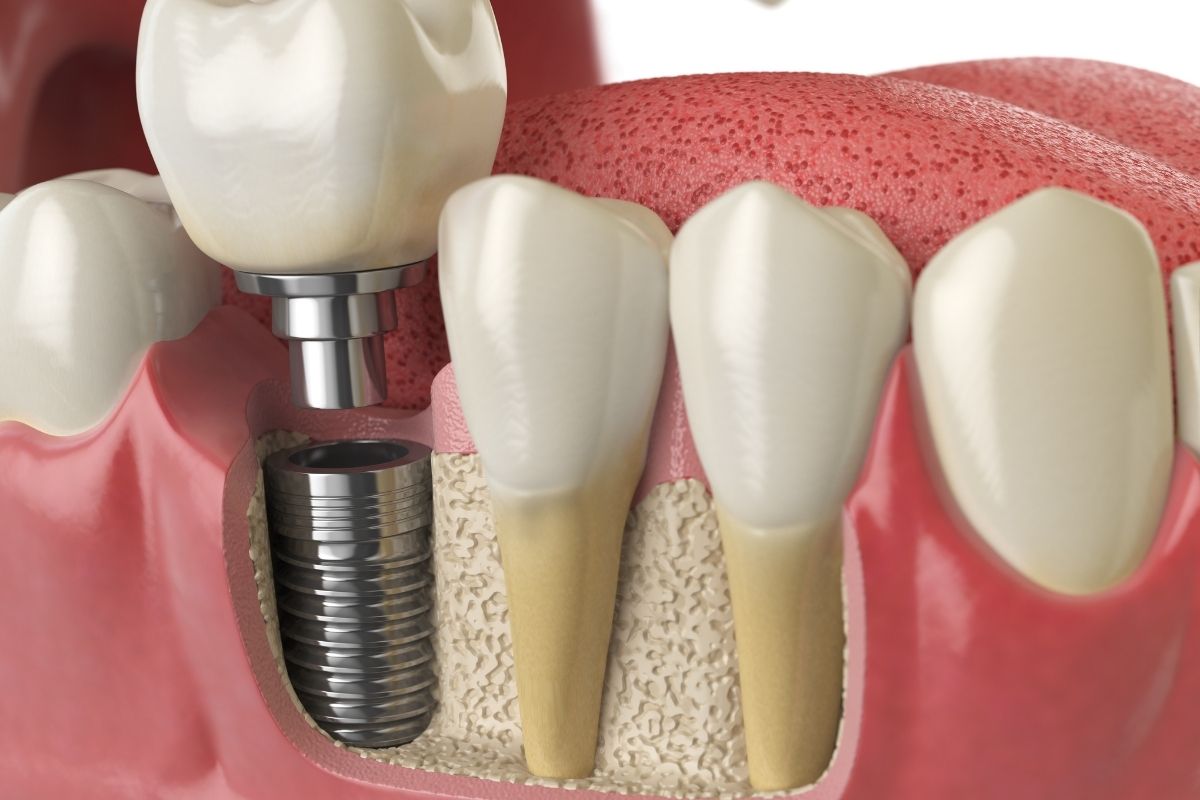
When it comes to replacing a missing tooth, there are several options available, including implants, bridges, and dentures. A dental implant in Union is considered the gold standard in tooth replacement because they mimic the look and function of a natural tooth.
Implants are surgically placed into the jawbone, offering a permanent solution that does not require altering the surrounding teeth. Bridges and dentures can also be used as effective solutions, but they may not provide the same long-term stability or aesthetics as implants.
Preserving Long-Term Oral Health
Replacing a missing tooth early can help preserve the health of your remaining teeth and jawbone. By restoring your bite and preventing teeth from shifting, you’ll protect the alignment of your smile and reduce the risk of further dental complications.
Dental implants, in particular, help to stimulate the jawbone, preventing bone loss and maintaining the structure of your face. The sooner you replace your missing tooth, the easier it will be to restore your oral health and avoid more complex procedures.
Leaving a missing tooth unaddressed can lead to a host of problems, including misalignment, bone loss, difficulty chewing and speaking, and diminished self-esteem. The longer you wait to replace a missing tooth, the more complications can arise.
It’s important to take action as soon as possible to protect your oral health and restore your smile. If you’re dealing with a missing tooth, Duo Dental Group Union is here to help. Don’t wait. Make an appointment today and explore your options for tooth replacement, including dental implants. Let us help you get your smile back!
Frequently Asked Questions
How does bone loss occur after losing a tooth?
When a tooth is missing, the jawbone no longer receives stimulation from the tooth’s root, leading to bone resorption and shrinkage in the affected area.
Can a missing tooth affect my speech?
Yes, a missing tooth can impact your ability to pronounce certain words clearly, particularly those involving sounds like “s” and “th.”
How soon should I replace a missing tooth?
It’s best to replace a missing tooth as soon as possible to avoid shifting of surrounding teeth, bone loss, and other complications that may arise over time.
How does a dental implant prevent bone loss?
A dental implant stimulates the jawbone, mimicking the natural tooth root, which helps prevent bone resorption and maintains the bone structure.
Can a missing tooth lead to gum disease?
Yes, a missing tooth can cause food particles and bacteria to accumulate in the gap, increasing the risk of gum disease and decay in surrounding teeth.
New Patients & Emergency Appointments Welcome!