
Same Day Emergency Appointments Available!

Why Professional Supervision Is Essential For Safe Teeth Whitening Treatment
Union, NJ
Achieving a brighter smile can seem like a quick fix. You can simply walk into a pharmacy, browse online, or talk to people around you about using whitening strips or gels, or about different at-home tricks to achieve a brighter smile. Many people in Union are busy in the mornings, and a quick solution is always a plus. With this, whitening teeth can seem easy. Teeth whitening, however, is not just about the color change on the surface.
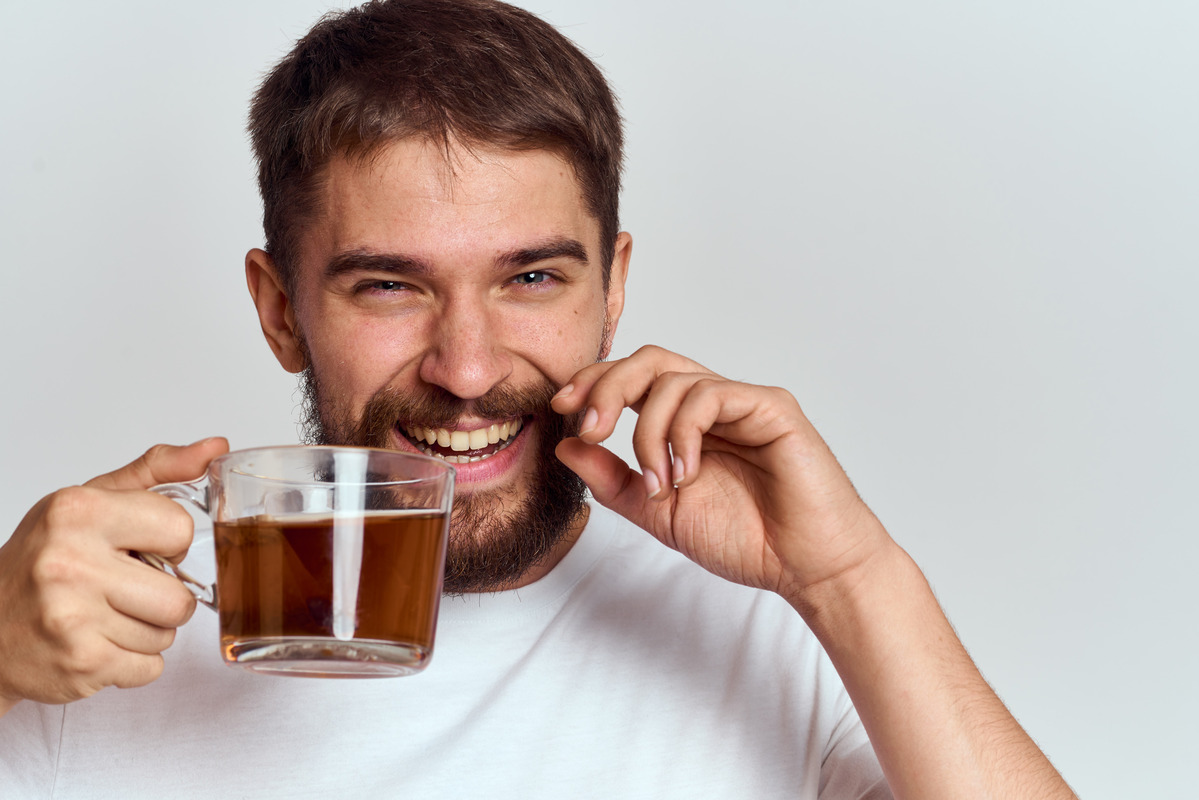
Also, teeth react differently based on our habitual practices in our location, like our frequent coffee breaks near Route 22, weekend meals with dishes cooked in tomatoes, and our consumption of ice-cold drinks during our hot New Jersey summers. Because of these differences, it’s clear that teeth whitening shouldn’t always be treated as a single standard procedure. This is when professional supervision of teeth whitening becomes a major factor.
Understanding How Teeth Whitening Actually Works
The active ingredients in whitening products seep into the enamel and break down stains. Although the stains are loosened, they temporarily affect the enamel’s microscopic structure, causing pathways to open. This can sometimes result in irritation or uneven whitening if not closely monitored.
A cosmetic dentist will assess enamel thickness, gum health, and prior dental procedures before choosing a whitening treatment. Crowns, fillings, and bonding do not bleach in a similar manner to tooth enamel. The process of professional teeth whitening, is designed to work in harmony with your entire smile, not just your teeth.
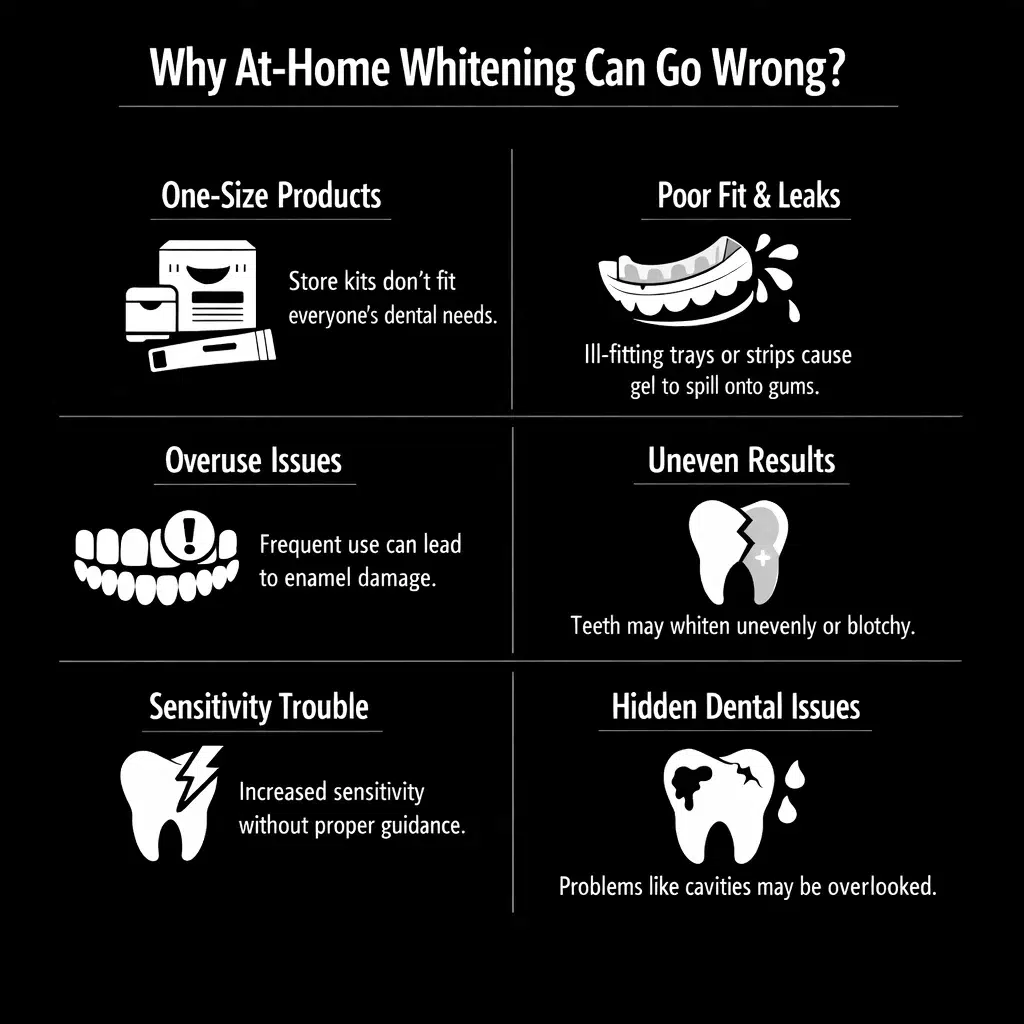
Why At-Home Whitening Can Go Wrong?
Although the process of at-home whitening may seem simple, it also removes the protective layer of professional supervision. Until you know the effects of the product on your own teeth and gums, it’s difficult to say that the risks are outweighed by the rewards.
1. One-Size Products Ignore Individual Needs
The kits available at stores are intended for average consumers. The kits fail to address issues like enamel depth, gum sensitivity, or existing dental work.
2. Poor Tray or Strip Fit
Similarly, ill-fitting trays and strips enable whitening gel to leak onto gums more frequently than desired.
3. Overuse Caused by Unclear Instructions
Some products may be formulated to require repeated use. Overuse of such products may damage your enamel and cause tooth sensitivity.
4. Uneven Whitening and Patchy Coloration
Teeth may react differently to unsupervised treatments, becoming blotchy or showing color differences.
5. Sensitivity Without Guidance
Discomfort happens; users continue or discontinue the process without understanding the effects. Professional guidance helps adjust rather than guessing and risking further harm.
6. Overlooking Underlying Dental Problems
Cavity, enamel, and gum problems may not be detected. In such cases, whitening may even aggravate these concerns.
Is Teeth Whitening Right for You?
In addition to being a viable option, teeth whitening will be more effective if it aligns with your oral health habits and expectations. This quick self-check will help you determine whether it will be effective and safe for you.
Your Teeth are Generally Healthy
Whitening is best conducted when you do not have any existing tooth cavities, gum inflammation, or untreated dental problems. Also, whitening is most effective when your teeth and gums are healthy.
Your Stains Come From Everyday Habits
Discoloration from coffee, tea, or red sauces, or from natural aging, tends to bleach well. In some cases, deeper discoloration of the inner teeth requires a slightly different cosmetic approach.
You Have Minimal Tooth Sensitivity
If your teeth aren’t already sensitive, whitening is generally well-tolerated. Know that whitening is possible even if your teeth are currently sensitive, although professional advice is needed.
You Understand Realistic Results
Brightening white natural teeth, although whitening does nothing to the color of crowns or fillings. It’s essential to get this straight at the start to avoid any misapprehensions.
You Want Safe and Supervised Results
If protecting one’s enamel and gums is as important as attaining a whiter smile, then whitening under the care of a cosmetic dentist is the way to go.
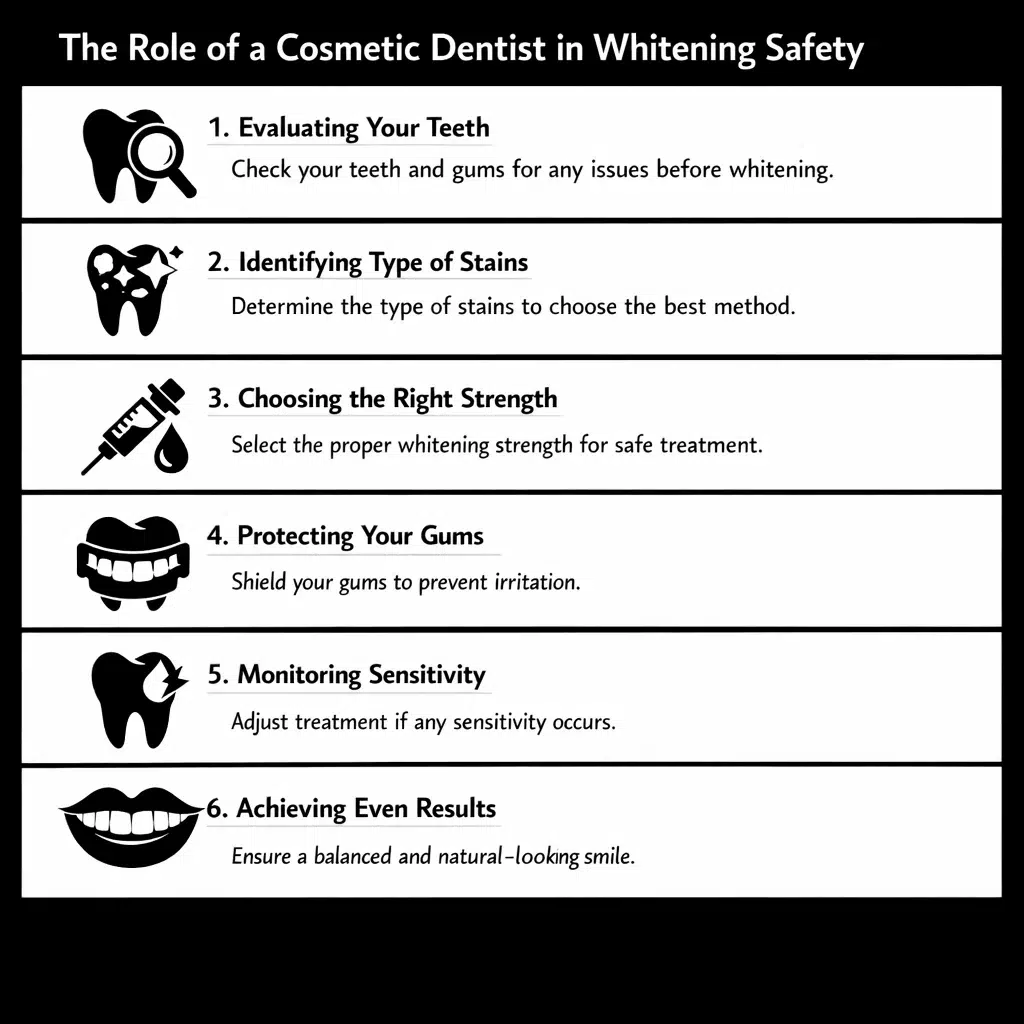
The Role of a Cosmetic Dentist in Whitening Safety
Teeth Whitening is not just using a teeth bleaching product; it is a clinical procedure that also affects your enamel, gum tissue, and any work you might have in these areas already. A cosmetic dentist makes sure the process is controlled to produce results that do not compromise your oral health.
1. Evaluating Your Teeth Before Treatment
The dentist will check for cavities, enamel wear, gum health, and any previous dental procedures. This stage ensures that no underlying issues are being made worse by teeth whitening.
2. Determining the Type of Stains Present
Surface stains, age-related discoloration, and internal stains respond differently to whitening agents. Understanding these variations will help you select the safest and most effective whitening technique.
3. Selection of Appropriate Whitening Strength
Whitening agents vary in concentration; a cosmetic dentist will determine the appropriate concentration to whiten teeth without putting stress on the teeth or gum tissue.
4. Protecting the Gums and Soft Tissues
Careful application techniques and isolation strategies minimize the likelihood of irritations, burning, and inflammatory side effects during whitening.
5. Monitoring Sensitivity and Response
Teeth respond differently during treatment. There is no discomfort, as adjustments can be made if sensitivity occurs under professional supervision.
6. Ensuring Even, Natural-Looking Results
The existing restorations and enamel variations are taken into account to prevent patchy whitening of the smile.
What Professional Supervision Adds to the Process
Professional oversight also means that whitening is not just a matter of applying the whitening material; timing, concentration, and follow-up care may also play a role. Whitening products also come in different concentrations; improper use may harm tooth enamel.
- With professional supervision, patients benefit from:
- Proper assessment before starting treatment
- Controlled application to protect gums
- Adjustments based on sensitivity or response
- Help and advice on safe results maintenance
This process ensures that whitening will support future oral health and not create future problems.
A Thoughtful Approach to a Brighter Smile
Selecting a supervised path for whitening means balancing. It helps individuals improve their smile while maintaining a respect for their teeth and gum health. Whitening is no longer a guessing game but a process, with a cosmetic dentist, that helps individuals ensure their smile today can be maintained tomorrow.
If you’re considering professional teeth whitening in Union, NJ, scheduling a consultation with us at Duo Dental Group Union will help you understand your options. The consultation will help determine whether it’s possible and how to do it safely. The rewards of a brighter smile are well worth it, and it also benefits oral health.
Questions People Ask About Teeth Whitening
Is teeth whitening safe for everyone?
Teeth whitening is generally safe, but not suitable for every situation. People with untreated cavities, gum inflammation, or significant enamel wear may need other care first. Professional supervision ensures that whitening is only performed when teeth and gums are healthy enough to tolerate it.
Can whitening damage enamel permanently?
When done correctly, whitening does not permanently damage enamel. Problems usually arise from overuse or incorrect application. A supervised approach monitors enamel response and adjusts treatment as needed, reducing the risk of long-term sensitivity or surface changes.
Why do some teeth whiten unevenly?
Uneven whitening often occurs due to existing dental work, variations in enamel thickness, or deep internal stains. A cosmetic dentist evaluates these factors beforehand and explains realistic outcomes, helping patients avoid unexpected shade differences after treatment.
Is sensitivity normal after whitening?
Yes, but timing matters. Whitening should not be repeated too frequently. A cosmetic dentist helps space treatments appropriately, ensuring teeth recover between sessions and reducing the risk of irritation or enamel stress over time.

New Patients & Emergency Appointments Welcome!