
Same Day Emergency Appointments Available!

Is Teeth Whitening Safe for Sensitive Teeth? Insights from Dr. Richard Mullin
Union, NJ
If the thought of a brighter smile excites you—but the idea of sharp, lingering tooth pain makes you hesitate—you’re not alone. Many people in Union, NJ deal with tooth sensitivity and wonder if whitening treatments are worth the risk. Coffee from your favorite local café, weekend dinners that include red wine, or years of natural enamel wear can all dull your smile. The real question is: can you whiten your teeth safely if they’re already sensitive?
According to Dr. Richard Mullin of Duo Dental Group, the answer is yes—when it’s done the right way. Let’s break down what causes sensitivity, how whitening works, and what options are safest for patients right here in Union.
Schedule a personalized whitening consultation with Dr. Richard Mullin at Duo Dental Group.

Why Are Some Teeth More Sensitive Than Others?
Tooth sensitivity usually happens when enamel—the protective outer layer of your teeth—becomes thinner or compromised. This exposes the dentin underneath, which connects directly to nerves.
Common causes Dr. Mullin sees in Union patients include:
- Frequent consumption of acidic foods and drinks
- Aggressive brushing or using hard-bristle toothbrushes
- Gum recession from grinding or periodontal issues
- Past dental treatments or untreated cavities
When whitening agents penetrate enamel, sensitive teeth can react more strongly. That’s why a one-size-fits-all approach rarely works.
How Teeth Whitening Affects Sensitive Teeth
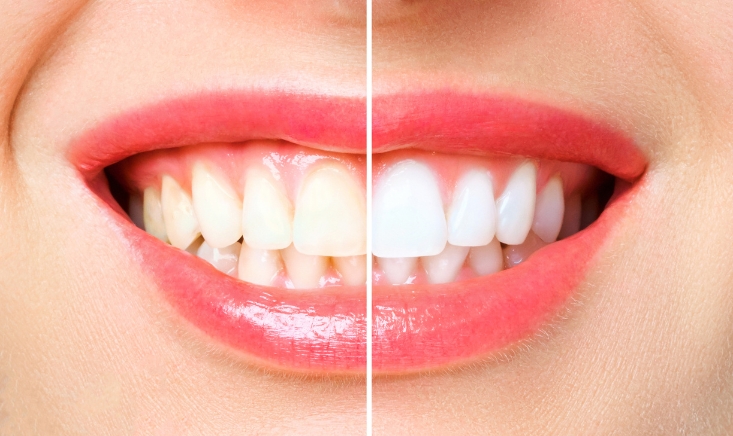
Most whitening treatments use peroxide-based solutions to lift stains. These ingredients are effective—but they can temporarily increase sensitivity, especially if enamel is already weakened.
Dr. Mullin explains that sensitivity doesn’t automatically mean whitening is unsafe. It simply means the treatment must be customized. Professional care allows dentists to:
- Adjust the strength of whitening agents
- Shorten treatment time
- Add desensitizing steps before and after whitening
This level of control is what makes professional whitening different from over-the-counter kits.
Professional Whitening vs. DIY Kits: What’s Safer?
Drugstore whitening strips and online kits are tempting. They’re affordable and promise quick results. However, they don’t account for individual dental health—and that’s where problems start.
With teeth whitening, patients at Duo Dental Group Union receive a full evaluation first. Dr. Mullin checks for enamel wear, gum health, and hidden issues that could worsen sensitivity. If whitening isn’t ideal right away, he may recommend treating sensitivity first, then whitening later.
Professional whitening benefits include:
- Custom trays that reduce gum irritation
- Controlled application to avoid overexposure
- Desensitizing agents built into the process
- Supervision by a dentist who knows your history
Tips to Reduce Sensitivity Before and After Whitening
If you’re prone to sensitivity, preparation matters just as much as the treatment itself.
Before whitening:
- Switch to a desensitizing toothpaste at least two weeks prior
- Avoid acidic foods and drinks
- Treat cavities or gum inflammation first
After whitening:
- Skip extremely hot or cold foods for 48 hours
- Continue using sensitivity toothpaste
- Follow post-care instructions closely
Dr. Mullin often reminds patients that sensitivity is usually temporary—and manageable with the right plan.
Whitening Smiles in Union, NJ
Union residents lead busy lives—commuting, attending community events, and staying active year-round. A confident smile matters, whether you’re heading to a job interview, a family gathering, or a night out nearby.
At Duo Dental Group, whitening treatments in Union are tailored to fit real lifestyles. Patients appreciate the convenience, the honest guidance, and the reassurance that their comfort comes first. It’s about feeling confident without pain.
Is Whitening Right for You?
You may be a good candidate for whitening if:
- Your sensitivity is mild to moderate
- Your teeth and gums are otherwise healthy
- You want noticeable results without risking discomfort
If sensitivity is severe, Dr. Mullin may suggest alternatives like enamel-strengthening treatments or cosmetic bonding instead.
Ready for a Brighter, More Comfortable Smile?
If sensitive teeth have been holding you back, you don’t have to choose between comfort and confidence. With expert guidance from Dr. Richard Mullin and a personalized approach at Duo Dental Group, whitening can be both safe and effective.
Schedule a consultation today and discover how teeth whitening can work for your smile—comfortably, confidently, and with care you can trust.
Frequently Asked Questions
Is teeth whitening painful for sensitive teeth?
Not necessarily. Some patients feel mild tingling, but professional whitening minimizes discomfort and usually resolves sensitivity within days.
Can whitening damage my enamel?
When done under professional supervision, whitening does not damage enamel. Overuse of DIY products, however, can increase risk.
How long do results last?
With good oral hygiene and occasional touch-ups, results can last several months to a year.
What if my teeth are too sensitive to whiten?
Dr. Mullin may recommend treating sensitivity first or exploring cosmetic alternatives that don’t involve bleaching.
Is professional whitening worth it compared to store-bought kits?
For sensitive teeth, absolutely. Personalized care significantly reduces risk and improves comfort.


New Patients & Emergency Appointments Welcome!